When your skin reacts to products, choosing a moisturiser can feel like another thing to get wrong. A skincare routine for sensitive skin can stay short: a gentle cleanser, a moisturiser you tolerate and sun protection, with new products added one at a time.
What is sensitive skin?
Sensitive skin is skin that is easily irritated and tolerates fewer products. It may sting, burn, itch or tingle, and it can look normal or red. It is common, reported by roughly 60–70% of women and 50–60% of men. DermNet — Sensitive skin
Sensitivity alone does not tell you which condition is present. Eczema, rosacea and contact dermatitis can all make skin feel sensitive, and care starts with looking after any underlying condition and avoiding known triggers. DermNet — Sensitive skin Our sensitive-skin guide explains more.
What does a skincare routine for sensitive skin look like?
Fewer steps make a problem product easier to spot. Building your routine one step at a time shows the order.
- Wash gently: a soap-free cleanser, lukewarm water and short showers. DermNet — Sensitive skin
- Moisturise: a fragrance-free moisturiser on damp skin after washing. DermNet — Sensitive skin
- Protect: broad-spectrum SPF 50 or 50+ sunscreen every day the UV Index is 3 or above, with a hat and shade. Cancer Council — Preventing skin cancer
- Skip harsh products: avoid scrubs and exfoliating acids. DermNet — Sensitive skin
- Add one new product at a time, and test it first (see below). DermNet — Sensitive skin
What about anti-ageing creams?
Alpha hydroxy acids, such as glycolic or lactic acid, are a common irritant, and vitamin A (retinoids) can make skin more sensitive to the sun. DermNet — Sensitive skin Test these first and keep up your sun protection.
How do I choose a moisturiser for sensitive skin?
Choose fragrance-free: fragrances can cause contact allergy, and perfumed moisturisers can irritate skin. Healthdirect — Contact dermatitis
Natural is not the same as gentle. Several essential oils are known to cause contact allergy, and people who react to one often react to others. DermNet — Essential oil allergy
Richer creams and ointments suit very dry skin, and lighter lotions suit mild dryness. Urea and acids can sting on scratched or cracked skin. DermNet — Emollients and moisturisers
A product you have used for years can still start causing a reaction. DermNet — Allergic contact dermatitis
How do I patch test a new skincare product?
Dermatologists call this an open application test. DermNet — Open application test
- Choose a small area without a rash, such as the inner forearm or the inner bend of the elbow.
- Apply a small amount twice a day for a week. Rinse off a cleanser after a minute or so.
- Check the spot each day. Redness, dryness or itch there suggests the product may not suit you.
Stinging straight away usually means irritation; an allergic reaction can take a few days to show. A clear result on your arm does not rule out a reaction on your face, where skin is thinner. DermNet — Open application test
This home test is different from medical patch testing, which a dermatologist uses to find the cause of contact allergy. Healthdirect — Contact dermatitis
When to see your GP or dermatologist
See your GP if you think a product is causing a rash, if a rash is not getting better, or if you have a rash with a fever or feel unwell. Healthdirect — Contact dermatitis A rash that keeps coming back may need patch testing with a dermatologist to find the cause. DermNet — Allergic contact dermatitis
If you have eczema, use your prescribed treatment as directed and see your doctor if it is not improving or is getting worse. Healthdirect — Eczema
For flushing or redness that keeps returning, see our rosacea guide and questions to ask about persistent redness.
What can we talk about at Melbourne Wellness?
At an advanced skin analysis appointment, we can look at your skin with you and go through your routine and products. An initial naturopathy consultation includes a health history and a diet and lifestyle review. If anything suggests you need a medical assessment, we will say so.
Bring your products, or photos of their labels, and questions such as:
- Which products could I pause or simplify?
- Does anything I use contain fragrance or essential oils?
- How should I test a new product?
- When should I see my GP?
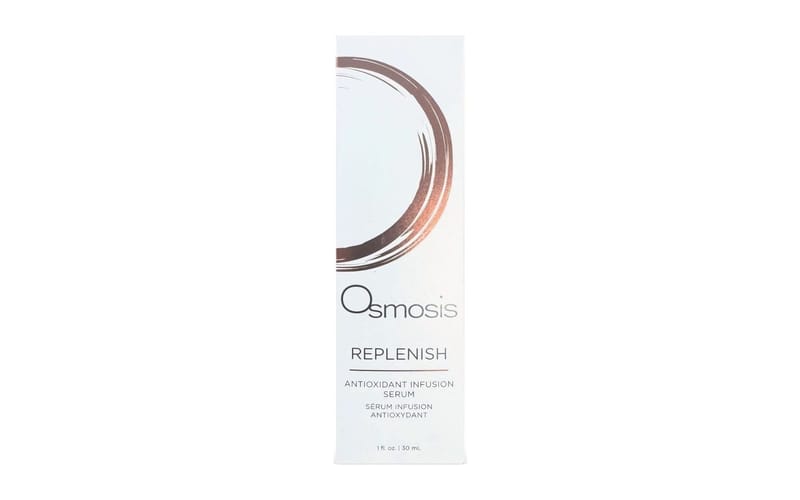
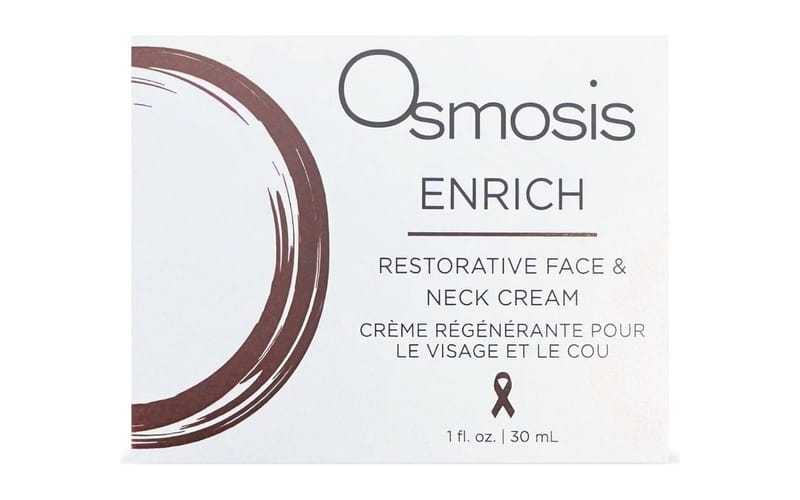
If you are looking at the Osmosis range for dry or sensitive skin, a simple routine could be Cleanse, a soft gel cleanser (Cleanse or Purify), then Boost, a hydrating mist (Boost or Balance), and Enrich, a rich cream for the face and neck (Enrich). Calm, the range's gentle retinal (vitamin A) serum, has its own guide: Calm, Correct or Renew MD. Cleanse, Boost and Enrich contain essential or citrus oils (Calm does too), so test each one first and choose fragrance-free products if fragrance has bothered you before. DermNet — Essential oil allergy Enrich also contains almond and apricot kernel oils and a macadamia-derived ingredient: if you have a nut allergy, check the label and ask your doctor first. Allergy & Anaphylaxis Australia — Cosmetics If you are pregnant, breastfeeding or planning a pregnancy, ask your doctor, pharmacist or MotherSafe before starting a vitamin A serum. MotherSafe — Skin care in pregnancy