If your skin feels drier, tighter or quicker to sting in your 40s or 50s, you are not imagining it. Menopause skin changes are common, and they can begin in perimenopause, the years of irregular periods before your last one. Healthdirect — Menopause Here is what is changing, what skincare can and cannot do, and when to see your GP.
What menopause skin changes are common?
As oestrogen falls, skin notices: oestrogen helps it hold water and make sebum (its natural oil), ceramides and hyaluronic acid. DermNet — Menopause and the skin Common changes include:
- dry, itchy skin, probably the most common complaint DermNet — Menopause
- skin that stings or reacts to products more easily DermNet — Sensitive skin
- thinner skin and more fine lines: Australian dermatologists note that skin loses about 30% of its collagen in the first five years after menopause Medicine Today — Skin and hair changes in menopause
- bruising more easily, especially on the arms and lower legs DermNet — Menopause
Ageing and sun exposure change skin too, and it is not always clear how much is down to menopause. Medicine Today
Why does skin get drier and more sensitive?
With less oestrogen, skin makes less sebum and fewer water-holding molecules such as hyaluronic acid. That weakens the skin barrier, which keeps moisture in and irritants out, so skin loses water and can feel dry and tight. Viscomi et al. 2025 — review Medicine Today
Sensitive skin is closely linked with a weaker barrier, and DermNet lists menopause as a trigger, so familiar products may start to sting. Cold or dry weather, long hot showers, soap and fragrance can add to it. DermNet — Sensitive skin Healthdirect — Itchy skin
What can skincare do for menopausal skin?
Skincare cannot change your hormones, but moisturising regularly and avoiding soap are the first steps for dry, itchy skin. DermNet — Menopause
- Wash with a soap-free cleanser, keep showers short, and use warm rather than hot water. Healthdirect — Itchy skin
- Moisturise straight after washing, while your skin is still damp. Healthdirect — Itchy skin
- Try a thicker moisturiser once or twice a day, on your body as well as your face, especially in cold, dry weather. Medicine Today
- Skip scrubs and harsh exfoliants, and choose fragrance-free products if your skin stings easily. DermNet — Sensitive skin
- Try each new product on a small area first, and add one at a time. DermNet — Sensitive skin
- Use sunscreen daily: Cancer Council recommends a broad-spectrum, water-resistant SPF 50 or 50+ sunscreen every day the UV index is forecast to reach 3 or above. Cancer Council — Preventing skin cancer Sun protection also limits the extra collagen loss that sunlight causes. DermNet — Menopause
If your skin often reacts to products, see our sensitive skin guide and our post on finding a comfortable moisturiser.
When to see your GP or dermatologist
See your GP if:
- itching or crawling feelings keep coming back, keep you awake or come without a rash: menopause can cause them, but itch can also come from thyroid problems or low iron Healthdirect — Itchy skin Healthdirect — Menopause DermNet — Menopause
- a rash does not go away, or a product gives you redness, a rash or itching: stop using it Healthdirect — Itchy skin Allergy & Anaphylaxis Australia — Cosmetics containing food allergens
- you have new breakouts: around menopause, acne may be linked to changing hormones, and untreated acne can scar DermNet — Menopause Healthdirect — Acne
- you notice a new spot, a new patch of darker skin, or a mole or freckle that changes in colour, size or shape; your GP can refer you to a dermatologist if needed Healthdirect — Skin cancer checks
- menopause symptoms such as hot flushes or poor sleep are getting in the way of daily life; your GP can talk you through the options Healthdirect — Menopause
Our post on making sense of menopause symptoms has a checklist to take along.
What can we talk about at Melbourne Wellness?
At the clinic we can look at your routine and products with you and plan gentle changes. If something needs a medical opinion, we will suggest you see your GP. Our menu also includes an initial naturopathy consultation, which starts with a detailed health history and a diet and lifestyle review.
Questions you might bring:
- Which of my skin changes are likely to be menopause, and which should my GP see?
- Could any of my products be adding to the dryness or stinging?
- Is my moisturiser rich enough for my skin now?
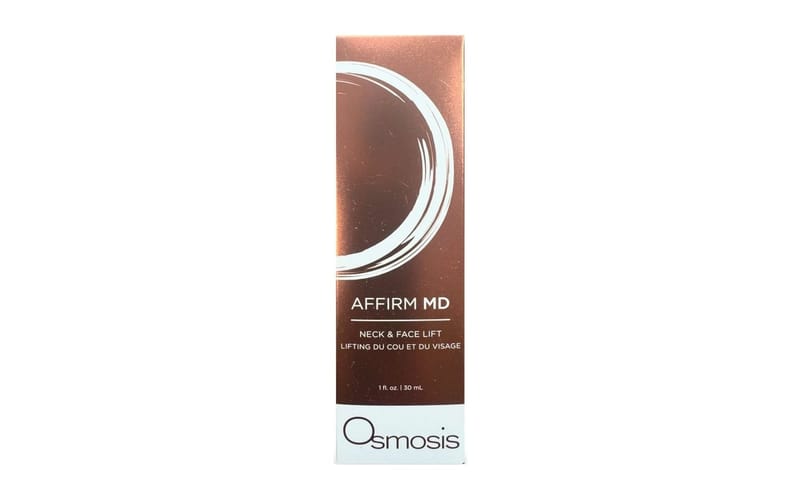
For gentle options, our shop stocks the Osmosis range. Cleanse is its gentle gel cleanser for dry and sensitive skin, Boost a hydrating mist that goes on over your serum, Calm a gentle retinal (vitamin A) serum made with sensitive skin in mind, and Enrich (our Enrich post) a rich moisturiser for drier skin, for face and neck. Enrich contains almond and apricot kernel oils and a macadamia-derived ingredient, so read the ingredient list and check with your doctor first if you have a nut allergy. Allergy & Anaphylaxis Australia All four contain essential or citrus oils, and DermNet suggests fragrance-free products for sensitive skin, so try each on a small area first. DermNet — Sensitive skin Retinoids such as retinal can make skin more sensitive to the sun, so keep up daily sunscreen with Calm. DermNet — Topical retinoids Our posts on choosing a cleanser, using an activating mist and which Osmosis vitamin A to start with explain each one.