Skin that feels tight, rough or flaky gets called dry one day and dehydrated the next. Here is what each term means, how to tell dry vs dehydrated skin apart, what water-attracting ingredients and richer creams do, and when to see your GP.
Dry vs dehydrated skin: what is the difference?
Medical guides talk about dry skin, also called xerosis. The skin's outer layer is short of moisture and of the fats that help it hold water, so it looks dull, feels rough and can crack. DermNet — Dry skin
"Dehydrated skin" is a skincare term, not a diagnosis. In skincare, "dry" usually means a skin type that makes little oil, and "dehydrated" means skin that is short of water for a while, which can happen to oily skin too.
In practice the two overlap. Skin becomes dry when it loses water too quickly, and soaps and long, hot showers strip the oils that help keep that water in. Healthify — Dry skin
How can you tell if your skin is dry or dehydrated?
A few questions can help:
- Rough, flaky or scaly most of the time, perhaps on your hands and shins too? That fits dry skin. DermNet — Dry skin
- Tight and dull, but shiny again by the afternoon? That is what skincare brands usually call dehydrated.
- Worse with cold wind, heaters, air conditioning, long baths or soap? All of these can dry skin out. DermNet — Dry skin
- Itchy, red or sore? See the GP section below.
What helps dry or dehydrated skin?
Dry-skin guides suggest a few everyday steps: Healthify — Dry skin
- Keep showers short and warm rather than hot, and wash with a mild, fragrance-free soap substitute.
- Moisturise within a few minutes of washing, while your skin is still damp.
- Use a humidifier in heated rooms, and protect your skin from the sun, which dries it too.
What is in your moisturiser matters as well:
- Humectants, such as glycerin, panthenol and hyaluronic acid, are water-loving ingredients that draw water into the skin's outer layer. They can also let it evaporate again, so they work best alongside ingredients that hold it in. Moisturiser review, Clinical Medicine & Research (2017)
- Richer textures hold it in: oily ingredients leave a thin layer that slows water loss, and ointments and creams do this more than lotions. The drier your skin, the richer the product. DermNet — Emollients and moisturisers
- Fragrance-free products are the usual advice for dry or easily irritated skin. Healthify — Dry skin DermNet — Sensitive skin
Does drinking water hydrate your skin?
Dry-skin guides include drinking plenty of water in their tips. Healthify — Dry skin Water matters for your health, but whether drinking extra eases dry skin is less certain. A 2019 review found only five studies that tested it, all with a high risk of bias. Four found more water in the skin's outer layer after people drank extra, and one found less dryness, but the evidence is weak. Liska et al. 2019 — Hydration and health, a review
Keep water within reach, and keep moisturising too: our post on staying hydrated in warmer weather has practical ideas.
When to see your GP or dermatologist
See your GP if:
- your skin is dry and itchy, or red, which can be a sign of eczema Healthdirect — Eczema
- it is very dry, cracked or sore, oozing or peeling, or no better after a week or two of gentle care Healthify — Dry skin
- the dryness is new: some health conditions, such as an underactive thyroid, diabetes or kidney disease, and some medicines can cause very dry skin Healthify — Dry skin
- a product gives you an itchy red rash, swelling or blisters: stop using it, and see your GP if you are worried, it does not settle, or you feel unwell or have a fever Healthdirect — Contact dermatitis
Our eczema guide covers everyday care and when to get help.
What can we talk about at Melbourne Wellness?
At an advanced skin analysis appointment we can look at your skin with you, go through your routine and talk about whether it needs a gentler cleanser, more water-attracting ingredients or a richer cream. If anything suggests you need a medical opinion, we will say so.
Questions you might bring:
- Where does my skin feel tight, rough or flaky, and when is it worse?
- Is my cleanser or shower habit drying my skin?
- Would a richer cream suit me at night or in winter?
- Which ingredients have bothered my skin before?
For a seasonal check, see moving your skincare routine from winter into spring.
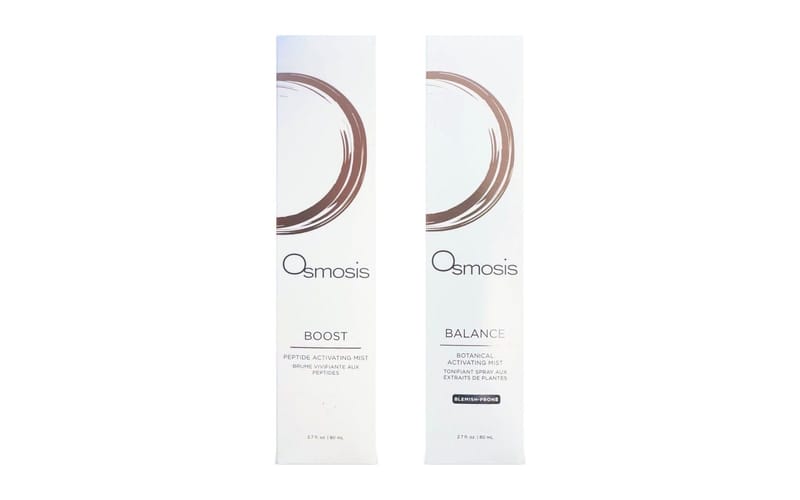
Three Osmosis products from our shop cover the steps above. Cleanse is a gentle gel cleanser made for dry and sensitive skin. Boost is a facial mist to use after your serum, with two humectants: polyglutamic acid and sodium hyaluronate, a form of hyaluronic acid. Enrich (our Enrich post) is the richest moisturiser in the Osmosis range, a cream for face and neck made with plant oils and shea butter. All three contain essential or citrus oils, so they are not fragrance-free; try each on a small patch of skin first. DermNet — Sensitive skin Enrich also contains sweet almond and apricot kernel oils and a macadamia-derived ingredient, so check with your doctor first if you have a nut allergy. Allergy & Anaphylaxis Australia — Cosmetics containing food allergens Our posts on Boost and Balance and Cleanse and Purify explain more.