If your skin often looks red or feels irritated, a serum for irritated skin with a short ingredient list can seem a sensible place to start. Osmosis Rescue has one of the shortest ingredient lists in the Osmosis range: six ingredients in a light gel. Here is what is in it, who it suits, how to use it, and when redness or breakouts need a doctor instead.
What is Osmosis Rescue?
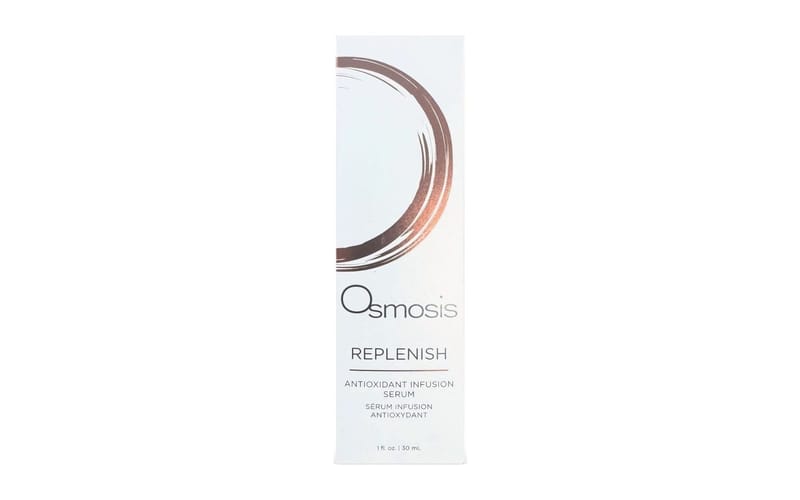
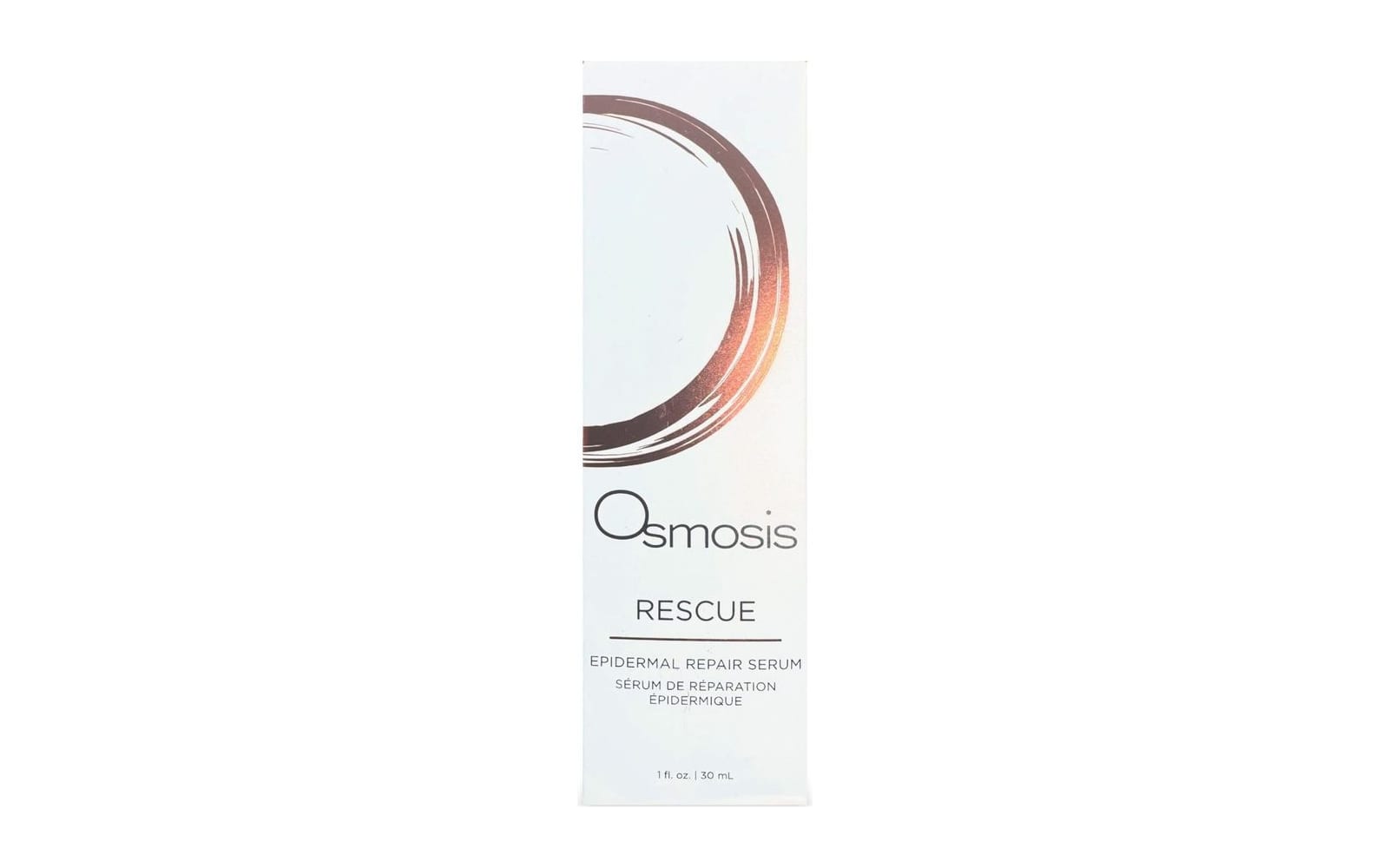
Rescue is a 30 mL gel serum, and its full name on the box is Rescue Epidermal Repair Serum. Its six ingredients are water, ozonised ethyl oleate, hydroxypropyl cyclodextrin (a sugar-derived carrier), glycerin (a humectant that helps skin feel hydrated), and carbomer and sodium hydroxide, which together make the gel.
Osmosis made Rescue as a calming step for skin that looks red, feels irritated or is prone to blemishes. It helps calm the look of redness and irritation, and helps reduce the appearance of blemishes. It is a cosmetic: it is about how your skin looks and feels, not a treatment for a skin condition.
What is Trioxolane?
Trioxolane is Osmosis's name for Rescue's patented key ingredient, listed on the box as Ozonized Ethyl Oleate: ethyl oleate, an oily ingredient made from oleic acid, treated with ozone gas. Ozone reacts with the carbon–carbon double bonds in fatty acids, forming compounds that include ring-shaped molecules chemists call ozonides, or 1,2,4-trioxolanes. Ugazio et al. 2020 Ozonised oils appear in many cosmetics, from creams to aftershaves. Ugazio et al. 2020
Research on ozonised oils looks at other oils, strengths and uses, so it can't tell us how Rescue itself performs. What we say about Rescue comes from Osmosis.
Who might a serum for irritated skin suit?
Rescue's box lists five skin types, including sensitive, irritated and blemish-prone skin. It may suit you if your skin often looks red or feels irritated and you want a simple, light step, or if you prefer short ingredient lists. Osmosis also suggests it after shaving or waxing, on the face or body, to help calm the look of redness.
There is no fragrance or essential oil in it, and DermNet suggests fragrance-free products for skin that reacts easily. DermNet — Sensitive skin
Where doesn't it fit?
A serum can't tell you why your skin is red or reacting. If a skincare product is setting your skin off, stop using it rather than adding another (ask your doctor before stopping anything prescribed): avoiding the trigger is the main treatment when something you use causes a rash. healthdirect — Contact dermatitis
How do you use Rescue?
The box says to apply 2 pumps, or the amount you prefer, to clean skin morning and evening, then follow with other serums and moisturiser if needed.
- Test it first. A short ingredient list can't rule out a reaction, and a 2020 review of ozonised oils mentions reports of irritation and rashes. Ugazio et al. 2020 Apply it to a small patch, such as behind an ear or on the side of your neck, twice a day for a week, and don't use it if the patch turns red, dry or itchy. DermNet — Open application test
- Add one new product at a time, as DermNet suggests. DermNet — Sensitive skin
- Finish with sunscreen in the morning. Cancer Council recommends a broad-spectrum, water-resistant SPF 50 or 50+ sunscreen every day the UV index is forecast to reach 3 or above. Cancer Council — Preventing skin cancer
When to see your GP or dermatologist
A serum can't diagnose or treat what is behind ongoing redness, flushing or breakouts. Redness has several possible causes, and a doctor can tell them apart by examining your skin. Better Health Channel — Rosacea
See your GP if:
- redness or flushing on your face keeps coming back or doesn't settle. Redness in the centre of the face lasting three months or more is the main feature of rosacea RACGP — Rosacea, and healthdirect advises seeing your doctor if you think you have signs of it healthdirect — Rosacea
- your eyes feel dry or irritated, or your eyelids are red and swollen: if rosacea affects your eyes or vision, see an eye doctor healthdirect — Rosacea
- breakouts are severe, worrying you or not improving with pharmacy treatment, as untreated acne can leave scars healthdirect — Acne
- a product gives you an itchy rash, swelling or blisters, a rash isn't getting better, or you have a rash and a fever; your GP can refer you for patch testing healthdirect — Contact dermatitis
Our post on rosacea and persistent redness explains what an assessment covers, and our sensitive-skin guide explains when irritation needs a medical check.
What can we talk about at Melbourne Wellness?
Not sure where to start? Bring your current products, or photos of their labels, to an advanced skin analysis. We can look at your skin with you, go through your routine, and talk about whether a simple serum such as Rescue fits it, or whether a GP visit should come first.
Questions worth bringing:
- Did my skin change after I started or swapped a product?
- Does my routine include fragrance or exfoliants?
- Which new product should I patch test first?
- Should a GP look at my redness?
For a gentle routine around it, see finding a comfortable routine for sensitive skin.