Looking for a skincare routine for acne-prone skin that won't leave your face tight or stinging? Here is a gentle routine, where acids and vitamin A fit in, and when to see your GP or a dermatologist.
What causes acne?
Acne starts when oil and dead skin cells build up and block pores. Bacteria can then grow in the blocked pores, causing redness and inflammation. Healthdirect — Acne
Acne usually begins in the teenage years, when androgen hormones make the skin's oil glands larger and more active. Better Health Channel — Acne It is most common between 16 and 18. Adult acne either carries on past the teens or starts in adulthood. Healthdirect — Acne
Is acne caused by diet or poor hygiene?
Acne is not caused by a lack of hygiene, and food is not a common cause. Healthdirect — Acne Many people blame chocolate or lollies, but research has not shown a strong link with these foods. Better Health Channel — Acne
Questions about food are worth raising with your GP or at an appointment; our post on gentler acne care covers everyday questions too.
What does a skincare routine for acne-prone skin look like?
Keep it short and gentle:
- Wash twice a day with a gentle, soap-free face wash and warm water; washing more often may make acne worse. Healthdirect — Acne
- Skip scrubs. Abrasive skin treatments can aggravate blackheads, whiteheads and inflamed spots. DermNet — Acne treatment
- Go oil-free. Choose oil-free make-up, take it off every night, and avoid greasy sunscreen. Healthdirect — Acne
- Moisturise and protect. After washing, apply a moisturiser or sunscreen. Healthdirect — Acne Cancer Council recommends a broad-spectrum, water-resistant SPF 50 or 50+ sunscreen every day the UV index is forecast to reach 3 or above. Cancer Council — Preventing skin cancer
- Hands off. Picking and squeezing pimples can make them worse and lead to scarring. Better Health Channel — Acne
Give it time: acne treatments often take two to three months to show an improvement. Healthdirect — Acne
If you shave, our simple skincare routine for men also covers shaving bumps.
Can acids and vitamin A help?
Healthdirect lists fruit acids (alpha hydroxy acids, or AHAs) and azelaic acid among ingredients that can help acne, but they can also irritate your skin or interfere with other medicines, so check with your doctor or pharmacist before adding one. Healthdirect — Acne
AHAs such as glycolic and lactic acid loosen dead cells on the skin's surface. Their effect depends on strength, pH and contact time, and they can cause redness, swelling, burning or itching. Tang and Yang 2018 — AHA review
Vitamin A comes as prescription retinoid creams, which your GP can discuss Better Health Channel — Acne, and as retinol and retinaldehyde (retinal), which are commonly added to cosmetics. DermNet — Topical retinoids Our guide to starting vitamin A explains how to begin a cosmetic serum gently.
AHAs and vitamin A can both make skin more sensitive to the sun, so daily sunscreen matters even more while you use them. Tang and Yang 2018 — AHA review DermNet — Topical retinoids
Prescription vitamin A creams such as tretinoin should not be used in pregnancy, and MotherSafe's factsheet does not mention retinal, so if you are pregnant, breastfeeding or planning a pregnancy, check with your doctor, pharmacist or MotherSafe before starting a retinal serum. MotherSafe — Skin care in pregnancy (PDF)
When to see your GP or dermatologist
See your GP if acne is bothering you, is severe, or has not improved with the treatment your pharmacist recommended. Untreated acne can leave scars, and your GP may refer you to a dermatologist. Healthdirect — Acne
In Victoria, participating pharmacists can treat mild acne in eligible people aged 12 and over through Chemist Care Now, but Better Health Channel says to see a doctor instead if:
- acne is painful, cystic or scarring, or acne scarring runs in your family
- you are pregnant or planning a pregnancy
- you have polycystic ovary syndrome (PCOS), or symptoms of it
- acne keeps getting worse or coming back, or treatments applied to the skin have not helped or have irritated it
If you find yourself worrying about how you look, avoiding social situations or feeling down, tell your doctor: they can help you find support as well as treatment. Healthdirect — Acne
Our acne guide explains how to prepare for an appointment.
What can we talk about at Melbourne Wellness?
At an advanced skin analysis appointment, we can look at your skin with you, go through what you use and have tried, and help keep your routine simple. The menu also includes an initial naturopathy consultation covering your health history, diet and lifestyle. If anything suggests you need medical care, we will say so and encourage you to see your GP.
Bring your products, or photos of their labels, and any treatment your GP or pharmacist has recommended. Questions worth asking:
- Which of my products might be too harsh or too oily for my skin?
- How can I keep my routine gentle alongside my current treatment?
- How long should I give my routine before we review it?
- What signs mean I should see my GP?
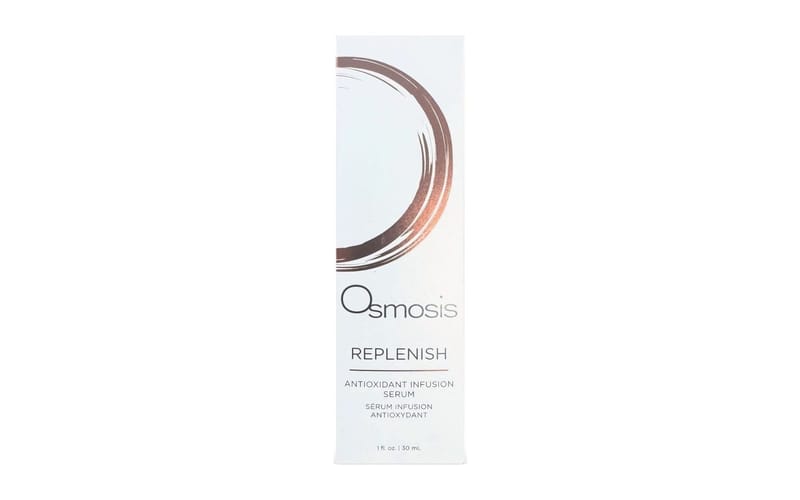
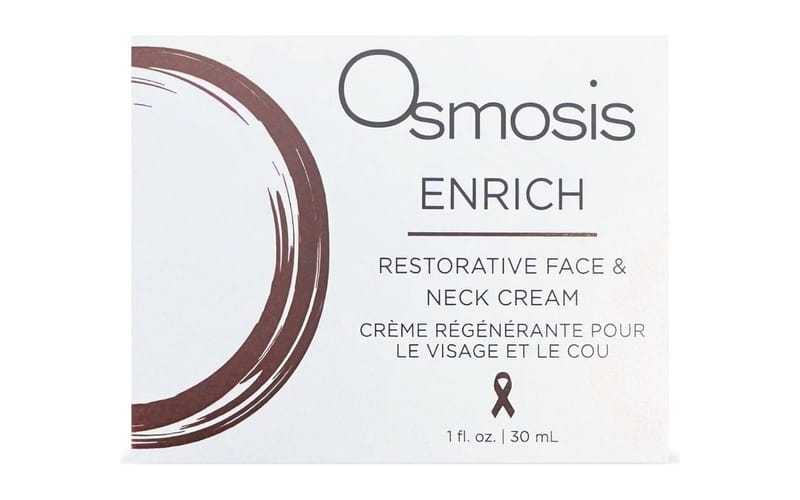
If your skin is oily, congested or blemish-prone, the Osmosis range includes Purify, Balance and Clarify, and we can talk through whether any of them suit your routine.