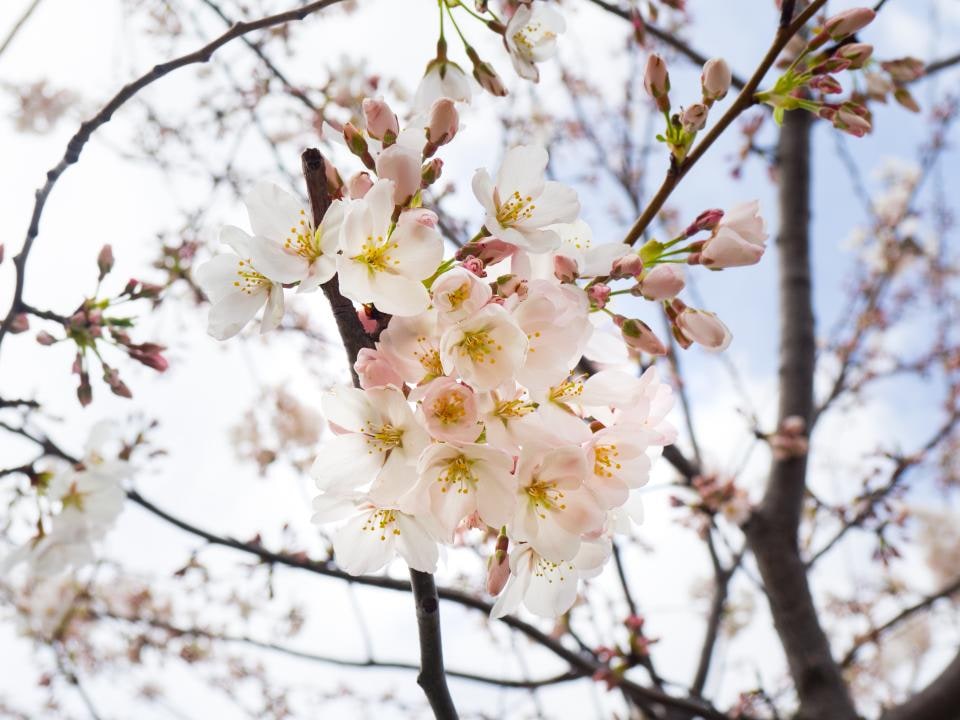
A runny nose and itchy eyes can make spring less enjoyable. If you are unsure what is causing your symptoms, start with a pharmacist or GP rather than a long list of home remedies.
Hay fever is an allergic reaction that can be triggered by pollen, dust mites or animal dander. Common symptoms include sneezing, a runny or blocked nose and itchy, watery eyes. Healthdirect — Hay fever.
Match the steps to the trigger
For pollen-related symptoms, Healthdirect suggests staying indoors on windy, high-pollen days and during or after thunderstorms. Keeping windows closed at home and in the car can also help reduce exposure. Healthdirect — Hay fever.
Other practical options include:
- Avoiding lawn mowing where possible.
- Showering after spending time outdoors.
- Drying clothes and bedding indoors during pollen season.
These are pollen-exposure measures, not a guarantee of symptom relief. Healthdirect — Hay fever.
Bring useful information to the conversation
Note when symptoms occur, where you were and what you have already tried. Ask your pharmacist or GP which options suit you and how to use them correctly. See your GP if symptoms persist, disrupt everyday life or are not improving with pharmacy advice. Healthdirect — Hay fever.
Call 000 if breathing difficulty leaves you unable to speak normally, or comes with chest pain, blue lips or confusion. Healthdirect — Shortness of breath.
Keep food questions separate
This article does not recommend cutting foods out or substituting one milk or grain for another. Take suspected food reactions to your GP for advice.
For a child with eczema and food concerns, our children's eczema and food article and eczema guide explain the separate medical and dietetic pathway.
Sources
Read 15 October 2026. Sources support the adjacent general information; clinic sources verify the current appointment menu.
- Healthdirect — Hay fever — Australian public-health guidance; accessed 2026-10-15.
- Healthdirect — Shortness of breath — Australian public-health guidance; accessed 2026-10-15.