Probiotics, prebiotics and fermented foods often get mentioned in the same breath, but they are not the same thing. Here is what each one is, what the research shows so far, and who should check with a doctor before starting a supplement.
What are probiotics and prebiotics?
Probiotics are "good" bacteria that live naturally in your gut. They are part of your gut microbiome, the trillions of microorganisms that help with digestion, metabolism, making some vitamins and supporting your immune system. There are many different strains, and each can have different effects. Healthdirect — Probiotics
Prebiotics are the "food" for those bacteria. They are found in high-fibre foods and travel to your large bowel, where your gut microorganisms use them. Healthdirect — Probiotics Synbiotics are products that combine the two. Healthdirect — Probiotics
Good food sources of each include:
- probiotics: yoghurt, kefir, sauerkraut, miso, pickles and kombucha
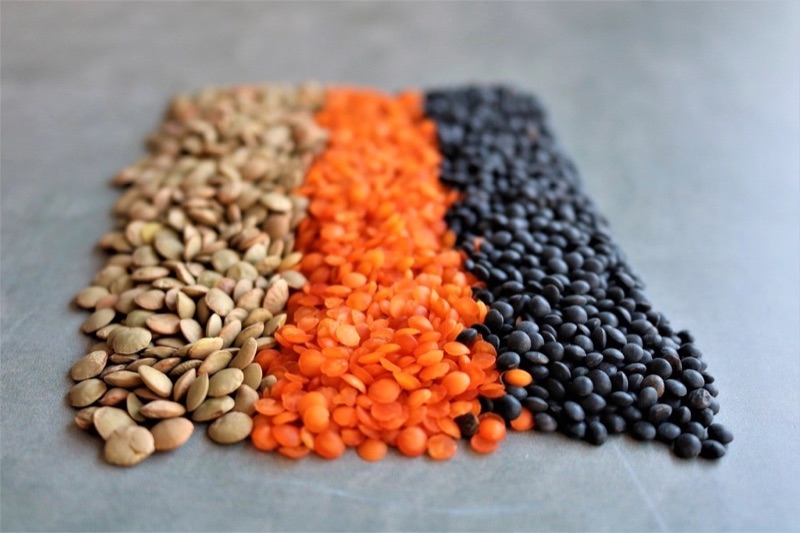
- prebiotics: fruit, vegetables, legumes such as chickpeas and lentils, and nuts and seeds
Our post on fibre has simple ways to get more of those prebiotic foods.
What does the research show so far?
For diarrhoea linked to antibiotics, a Cochrane review of 33 trials in children found a moderate protective effect: about one case prevented for every nine children who took probiotics. The authors noted that results varied between probiotic types. Cochrane review — probiotics and antibiotic-associated diarrhoea in children
Another Cochrane review looked at diarrhoea caused by C. difficile, a more serious bowel infection, in people taking antibiotics. Probiotics may help prevent it, but the benefit was small, about one case prevented for every 65 people, and the evidence is low certainty. Cochrane review — probiotics and C. difficile
Probiotics are also one of the options that may ease irritable bowel syndrome symptoms for some people. Healthdirect — Irritable bowel syndrome Because each strain is different, a result for one product doesn't apply to every probiotic. Healthdirect — Probiotics
Are fermented foods the same as a supplement?
Not quite. The types and amounts of probiotics in foods vary and aren't always known, so it is hard to tell whether a food gives you a particular benefit. In supplements the type and amount are controlled, but the amount needed for a health effect is still uncertain. If you are looking for a specific benefit, your doctor or dietitian can advise you. Healthdirect — Probiotics
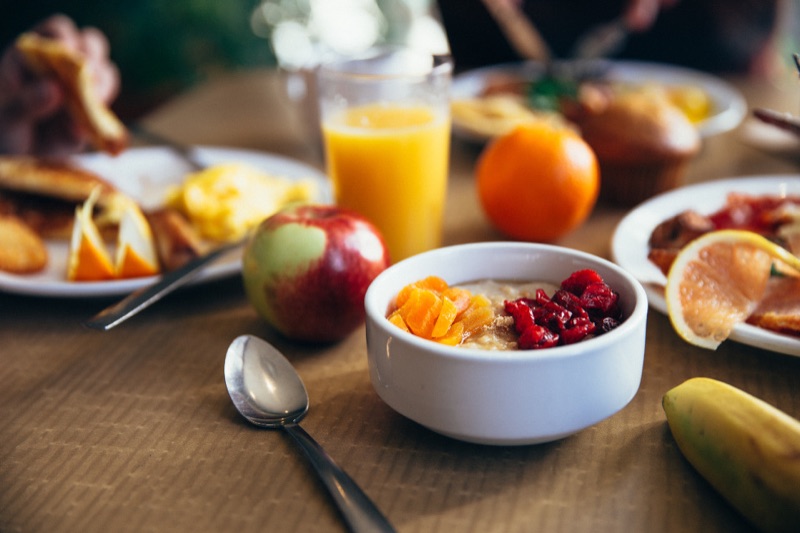
Fermented foods and fibre-rich plants can still be part of a varied, enjoyable diet.
Who should check with a doctor first?
Probiotics should not be taken by people with a weakened immune system, including people who:
- are very unwell, or recently had surgery
- are having chemotherapy, or have had an organ transplant
- have HIV or AIDS
- take medicines that suppress the immune system
Talk to your doctor or dietitian, too, if you have a medical condition or take regular medicines. Some people notice bloating, wind or an upset stomach, most often in the first week. Healthdirect — Probiotics
When to see your GP
A short bout of diarrhoea often settles without treatment. Seek medical advice if you have ongoing diarrhoea, blood or mucus in your stool, a fever, weight loss you can't explain, or diarrhoea at night. Healthdirect — Diarrhoea
See a doctor straight away for severe diarrhoea, signs of dehydration, heavy bleeding from your bottom, or diarrhoea with severe tummy pain. Healthdirect — Diarrhoea
If you think you have irritable bowel syndrome, see your doctor first: they check for other conditions before diagnosing it. Healthdirect — Irritable bowel syndrome
What can we talk about at Melbourne Wellness?
An initial naturopathy consultation includes a detailed health history and a look at what you eat day to day. We can talk through where fermented and fibre-rich foods could fit your meals, and whether a probiotic is worth raising with your doctor.
Questions you might bring:
- Is a probiotic likely to help with what I'm noticing, or is food a better start?
- Does it matter which strain I choose?
- Is it safe with my medicines and health conditions?
- What should I do if I am about to start antibiotics?
If antibiotics and your skin are on your mind too, see our post on antibiotics, gut symptoms and skin.