Fibre is one of the simplest places to start when you think about gut health. Most Australians eat less of it than recommended. Better Health Channel — Dietary fibre Here is how much you need, where it comes from, and easy ways to eat more without upsetting your gut.
What is fibre, and why does your gut need it?
Fibre is the part of plant foods your body can't fully digest. It passes through your stomach and bowel mostly unchanged, and its main job is keeping your digestive system working well. Better Health Channel — Dietary fibre
There are two main kinds, and most plant foods contain both:
- Soluble fibre soaks up water like a sponge and bulks out your stools, so they pass through your gut more easily. It also slows digestion and can help lower LDL cholesterol.
- Insoluble fibre adds bulk and helps food move through your gut more quickly, which helps prevent constipation.
Better Health Channel — Dietary fibre
Resistant starch acts in a similar way. Bacteria in your large bowel ferment it into short-chain fatty acids, which are important for bowel health. Better Health Channel — Dietary fibre Fibre-rich foods also carry prebiotics, the "food" for the helpful microorganisms in your gut. Healthdirect — Probiotics
How much fibre do you need each day?
The adequate intake for adults is about 30 grams a day for men and 25 grams a day for women. NHMRC — Nutrient Reference Values: Dietary fibre Needs are a little higher during pregnancy and breastfeeding. Most Australians eat around 20 to 25 grams a day. Better Health Channel — Dietary fibre
Where does fibre come from?
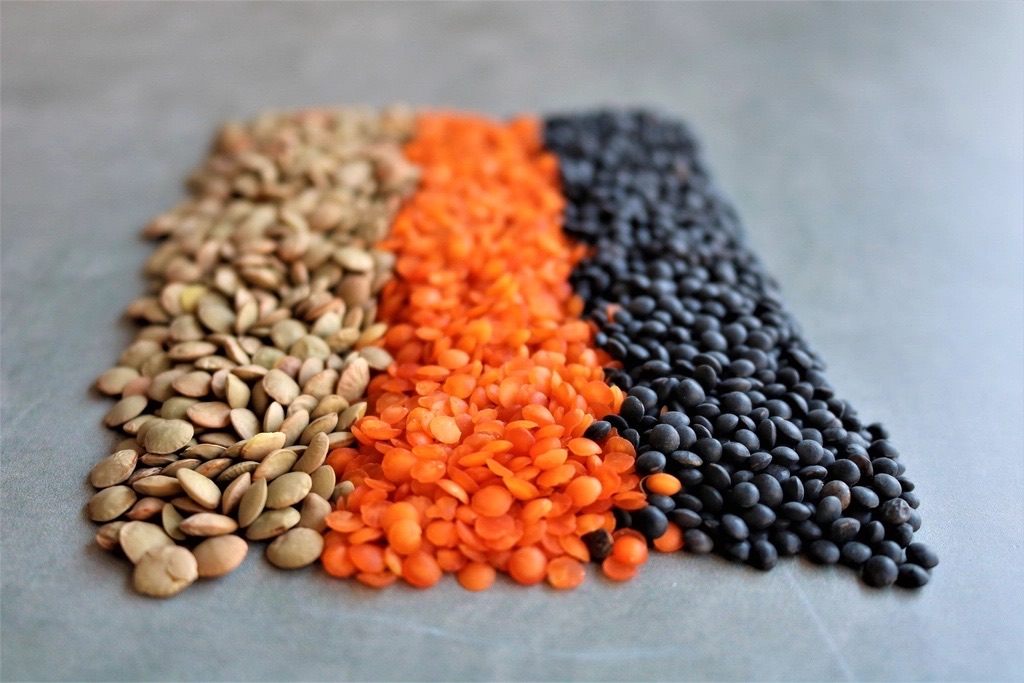
Good sources of soluble fibre include fruit and vegetables, oats, barley, psyllium and flaxseed, legumes such as beans, lentils and peas, and soy foods.
Good sources of insoluble fibre include wheat, rice and corn bran, the skins of fruit and vegetables, nuts and seeds, and wholegrain foods.
Better Health Channel — Dietary fibre
What are some easy ways to eat more?
Small swaps add up. You could:
- choose a breakfast cereal made with oats, barley or wheat
- switch to wholemeal or multigrain bread, and brown rice
- add an extra vegetable to your evening meal
- snack on fruit, nuts or wholemeal crackers instead of biscuits
- add beans or lentils to soups, salads and sauces
Better Health Channel — Dietary fibre
To see the difference, four slices of wholegrain bread have about 10.7 grams of fibre, while four slices of white bread have about 3.8 grams. Better Health Channel — Dietary fibre
Why go slowly, and why does water matter?
A sudden jump from a low-fibre to a high-fibre diet can bring tummy pain and wind, so add fibre gradually. Drink enough water too: fibre needs fluid to do its job, and without it a high-fibre diet may not help with constipation. Better Health Channel — Dietary fibre
More is not always better. Very high intakes, over about 40 grams a day, are linked with absorbing less iron, zinc and calcium. Fibre from food is preferred over fibre supplements, which can make constipation worse if you don't drink enough. Better Health Channel — Dietary fibre
When to see your GP
Changing what you eat shouldn't delay a check-up. See your doctor if constipation is severe or isn't improving with simple changes, or if you are over 50 or have a family history of bowel cancer. Healthdirect — Constipation
Get urgent care if you also have unexplained weight loss, bleeding from your bottom or blood in your stool, severe tummy pain, cramping or bloating, or vomiting. Healthdirect — Constipation
If wheat or other foods seem to upset you, our post on coeliac disease explains why testing comes before cutting anything out.
What can we talk about at Melbourne Wellness?
An initial naturopathy consultation includes a detailed health history and a look at what you eat day to day. We can help you see where more fibre could fit into meals you already enjoy, at a pace that suits your gut.
Questions you might bring along:
- Roughly how much fibre do I eat now?
- Which swaps would suit my meals and my budget?
- How quickly should I increase it?
- Are any of my symptoms worth raising with my GP first?
For more on everyday gut questions, see let's talk about gut health. If you are wondering about testing for food reactions, our post on food sensitivity tests explains what they can and can't show.