Busy school weeks call for food ideas you can use without a complicated plan. These suggestions adapt the clinic's old seminar handout into a mix of breakfasts, family meals and lunchbox options.
Choose from the ideas rather than trying them all. Children's needs vary with age and growth; a doctor or dietitian can help with dietary restrictions or concerns about intake. Healthdirect — Healthy eating for children.
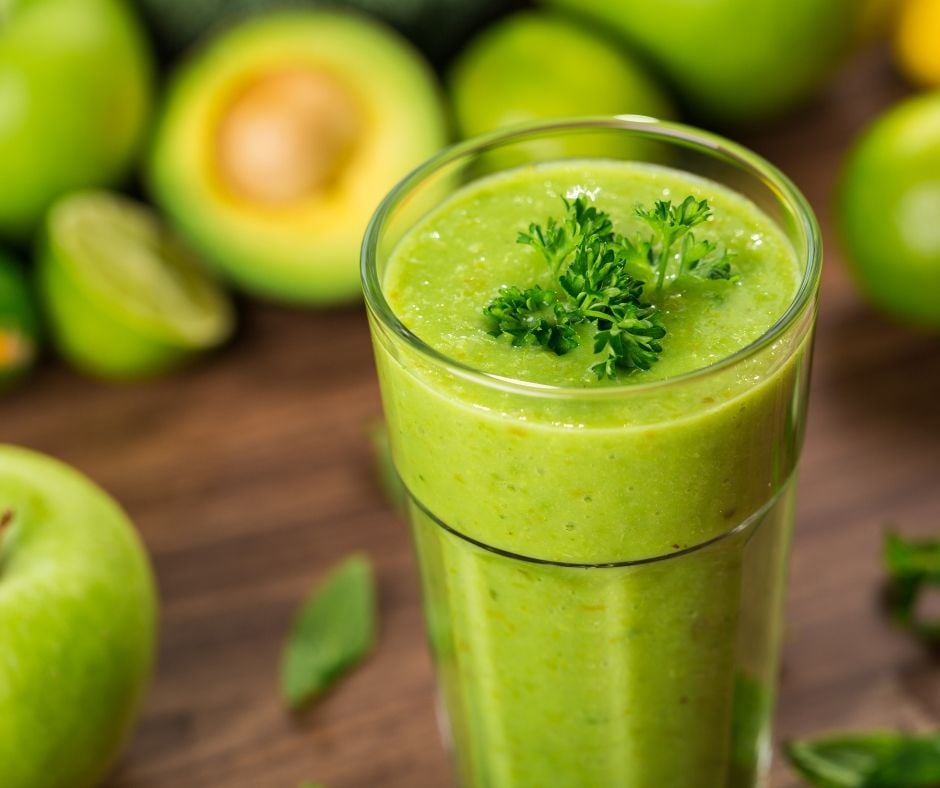
Four smoothie ideas for home
Blend the ingredients with enough milk or a suitable alternative to reach the texture you like. These are flexible combinations, not nutritionally complete meal plans.
- Vanilla and greens: banana or berries, a handful of spinach, plain yoghurt, a little avocado and a few drops of vanilla.
- Mint and chocolate: banana, a little avocado, a teaspoon of cocoa and a few mint leaves.
- Banana and nut butter: banana, a handful of spinach, plain yoghurt and a spoonful of nut butter, if suitable for your household.
- Coconut: banana, a spoonful of coconut yoghurt, spinach and a pinch of cinnamon; finish with a little shredded coconut.
The original handout included protein and spirulina powders. These versions use ordinary food ingredients. For another combination, see Emily's berry smoothie.
Breakfasts you can vary
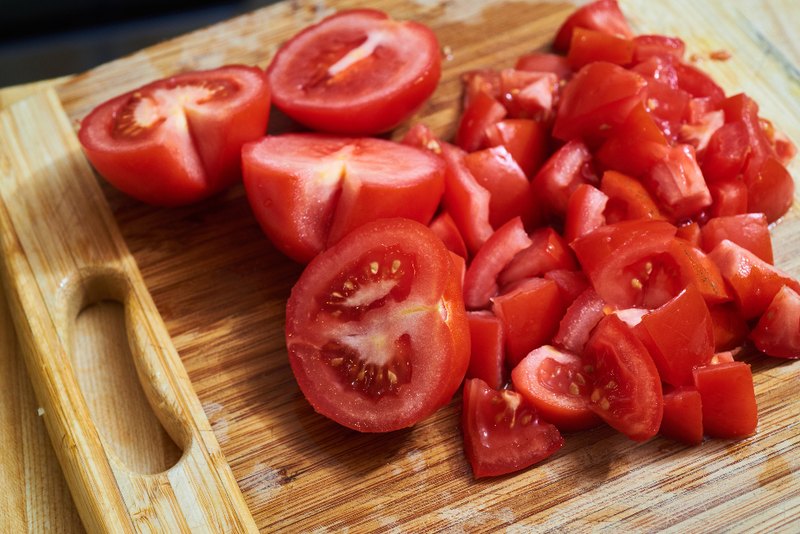
Eggs on toast: prepare eggs the way your family enjoys and serve with tomato, mushrooms or spinach and wholegrain toast.
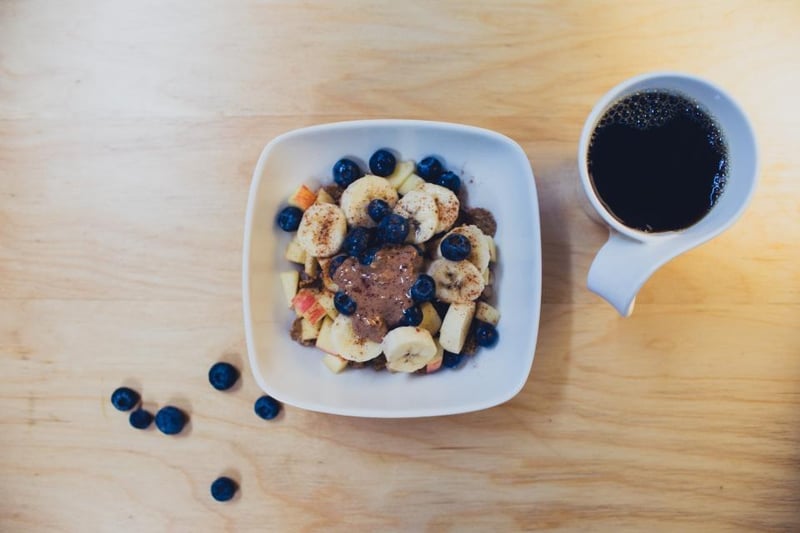
Yoghurt bowl: spoon plain yoghurt into a bowl and add fruit and a sprinkle of seeds, if suitable. Keep each topping separate if everyone likes something different.
Pancakes: use the measured buckwheat pancake recipe in our four breakfast recipes. The old handout's powder-based batter has been replaced by this linked recipe.
Meals that can become tomorrow's lunch
- Stir-fry: combine vegetables with tofu, chicken or another protein food, then serve with rice.
- Salad: mix vegetables with cooked beans, egg, tuna or chicken; add cooked grains and an olive-oil dressing if you like.
- Wraps: fill with vegetables and a choice of egg, tuna, cooked meat or beans.
- Tray bake: roast vegetables and serve with a separately prepared protein food.
- Soup: try autumn vegetable and bean soup for an evening meal.
Cook ahead only if you can cool and store food safely. Refrigerate perishable leftovers promptly. Keep packed meals cold with an insulated bag and frozen ice pack. Healthdirect — Food safety; NSW Food Authority — Kids lunch boxes.
Snacks and drinks
Fruit, vegetable sticks with hummus, yoghurt or crackers are options to discuss with your child. Follow the school's allergy policy and your child's individual care plan; a food that suits one family may not suit another.
The archive also included five juice combinations. Whole fruit and vegetables are the everyday focus here, with water as the usual drink. Healthdirect recommends offering children water instead of sugary drinks. Healthdirect — Healthy eating for children.
Questions about food and skin
For a child with eczema, read children's eczema and food and the eczema guide before considering dietary exclusions. Ask reception about age suitability before booking a child's initial naturopathy consultation; the service menu does not specify a paediatric age range. Melbourne Wellness — Services.
Discuss suitability at a consultation.
Sources
Read 15 October 2026. Clinical sources support the adjacent general information; clinic links verify the advertised appointment menu.
- Healthdirect — Healthy eating for children — Australian public-health guidance; accessed 2026-10-15.
- Healthdirect — Food safety — Australian public-health guidance; accessed 2026-10-15.
- NSW Food Authority — Kids lunch boxes — Australian food-safety guidance; accessed 2026-10-15.
- Melbourne Wellness — Services — current clinic facts; accessed 2026-10-15.