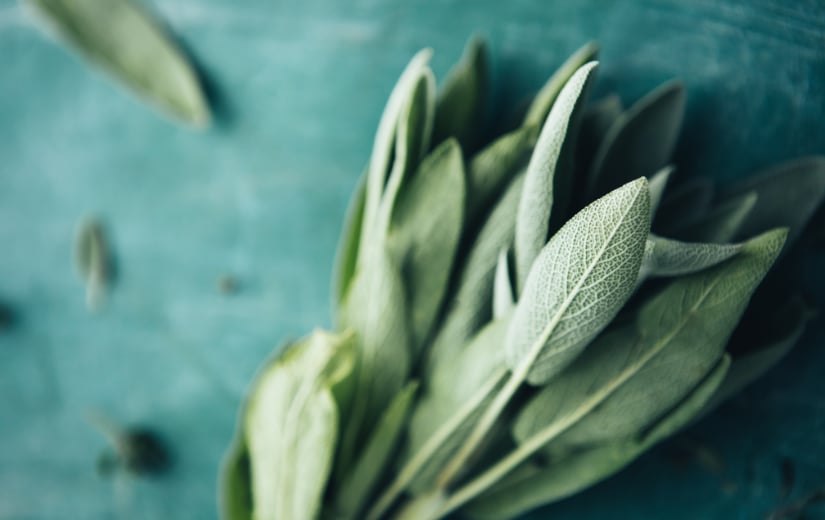
A few sage leaves can be an invitation to try a different flavour in a familiar meal. This herb belongs comfortably in a kitchen conversation, without needing a list of health promises.
Sage is used as a culinary herb, and some species have also been used traditionally as remedies. Those uses are different questions: research into sage for health conditions remains limited. NCCIH — Sage.
Try it for flavour
Start with a recipe that calls for culinary sage and follow its directions. You could try it with roast pumpkin, stir it through a bean dish, or use it in a vegetable soup.
If you have a small bunch, plan two meals around it so the remaining leaves do not sit forgotten in the fridge. Keep dried herbs in their labelled containers and check storage instructions.
Our lentil bolognese is another starting point for cooking with herbs. Choose the flavours you enjoy; a meal does not need a medicinal purpose.
What about the health claims?
The US National Center for Complementary and Integrative Health says there is too little research to reach firm conclusions about sage's health effects. Traditional use alone does not establish that a herb will help a particular condition. NCCIH — Sage. NHMRC — Complementary medicines.
This article offers cooking ideas, rather than a sage remedy or supplement plan.
Keep food and herbal products separate
Culinary use is different from taking concentrated preparations. Some sage species contain thujone, which can be harmful in large amounts. Ask your doctor or pharmacist before using a medicinal sage product, particularly during pregnancy, breastfeeding or alongside medicines. NCCIH — Sage.
If you are exploring a health claim, bring the product name and the claim to that conversation. Ask what evidence supports it, what remains uncertain and whether it is suitable for you.
Sources
Read 15 October 2026. Clinical sources support the adjacent general information; clinic links verify the advertised appointment menu only.
- NCCIH — Sage — US government evidence and safety summary; accessed 2026-10-15.
- NHMRC — Complementary medicines — Australian evidence guidance; accessed 2026-10-15.