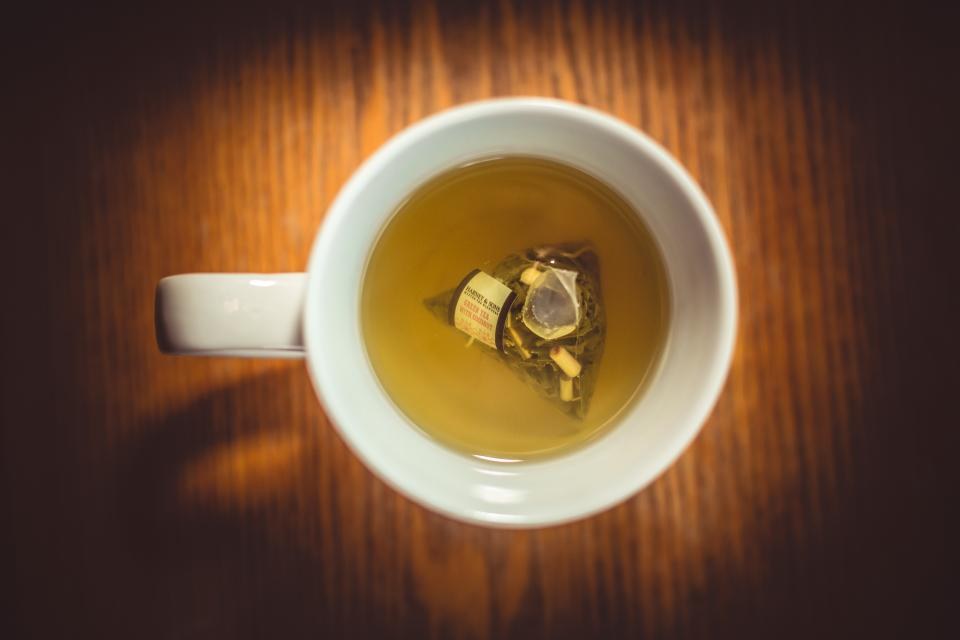
Do you enjoy green tea for its flavour, or are you choosing it because of a health headline? You can enjoy the drink without expecting it to do everything a headline suggests.
What does the evidence say?
The US National Center for Complementary and Integrative Health says firm conclusions cannot be drawn for many of green tea's promoted uses. Research on cancer risk has produced inconsistent results. NCCIH — Green Tea.
That leaves room for a straightforward choice: make a cup if you like it. There is no need to turn it into a daily target or a treatment for a skin concern.
Remember the caffeine
Green tea contains caffeine. NCCIH — Green Tea. Caffeine can affect sleep, and sensitivity differs between people. If you notice that a late cup keeps you awake, consider the timing and other caffeinated drinks in your day. Healthdirect — Caffeine.
Ask your maternity care team about caffeine if you are pregnant or breastfeeding. NCCIH — Green Tea.
What about green tea extracts?
A concentrated extract is a different product from a cup of tea. Extract supplements can cause side effects and interact with medicines; liver injury has also been reported. Discuss a product with your doctor or pharmacist before using it. NCCIH — Green Tea.
Bring its full ingredient label so the conversation is about the actual preparation.
If acne is the reason you are looking at tea or supplements, our acne guide explains the medical-care pathway. For a separate everyday question, read soft drinks, labels and choices.
Sources
Read 15 October 2026. Sources support the adjacent general information; clinic sources verify the current appointment menu.
- NCCIH — Green Tea — US government evidence and safety summary; accessed 2026-10-15.
- Healthdirect — Caffeine — Australian public-health guidance; accessed 2026-10-15.