Looking after your bones can begin with a few useful questions: what movement suits you, which foods you regularly eat and whether your medical history needs a closer look.
Osteoporosis makes bones more fragile and increases the chance of a fracture. It can be present without obvious symptoms until a bone breaks, so feeling well does not tell you everything about bone strength. Healthdirect — Osteoporosis.
Ask about your own risk
Tell your GP about previous fractures, a family history of osteoporosis and medicines you take. Your doctor can assess whether a bone-density scan or other investigations are appropriate. Healthdirect — Osteoporosis.
This is especially worth discussing after a fracture from a minor injury. Healthdirect — Osteoporosis.
Bring questions about what the assessment would change and when any follow-up should happen.
Choose movement with guidance
Weight-bearing activity and strength training have a role in bone health. The right exercise plan depends on your health and fracture risk; a GP or physiotherapist can help you choose safely. Healthdirect — Osteoporosis.
If you have osteoporosis or a previous fracture, ask for individual guidance before beginning an unfamiliar exercise programme. Healthdirect — Osteoporosis.
Rather than setting a demanding target from an article, start by explaining what you currently do and what you would enjoy doing.
Look at everyday meals
Calcium, protein and vitamin D are relevant to bone health. Healthdirect recommends a nutritious diet including calcium-containing foods, with individual advice where needed. Healthdirect — Osteoporosis.
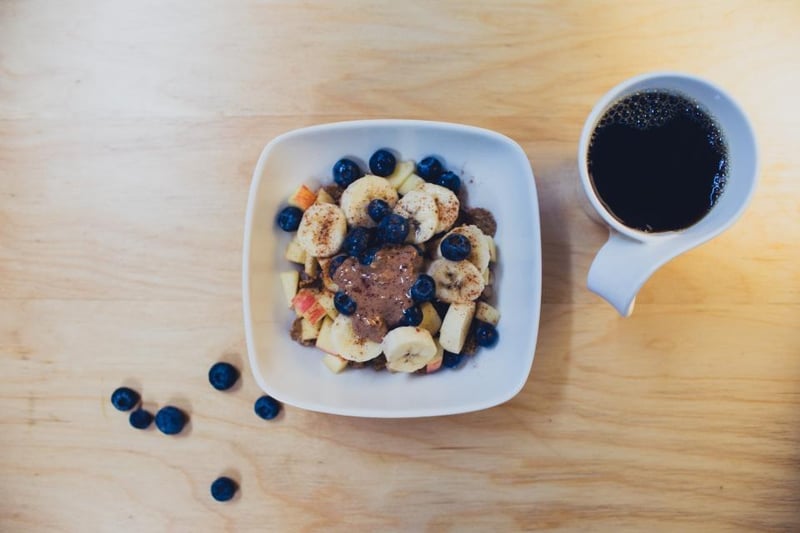
Bring a picture of your usual meals and any dietary restrictions. Ask whether a dietitian would be helpful and whether any testing or supplement discussion is appropriate for you.
Keep the plan connected
Food and movement are part of a broader conversation. Osteoporosis care may also involve medicines and follow-up based on individual fracture risk. Healthdirect — Osteoporosis.
Our back-health article offers separate prompts for breaking up sitting and seeking care for back pain. Neither article replaces a personalised assessment.
Sources
Read 15 October 2026. Clinical sources support the adjacent general information; clinic links verify the advertised appointment menu only.
- Healthdirect — Osteoporosis — Australian public-health guidance; accessed 2026-10-15.